2026
Weapon of Ram Gets Featured in The Blunt Times -And the Indian Mythology Fiction Space Will Never Be the Same
May 12, 2026
·
By Sunil Chandra Saha
·
7 min read
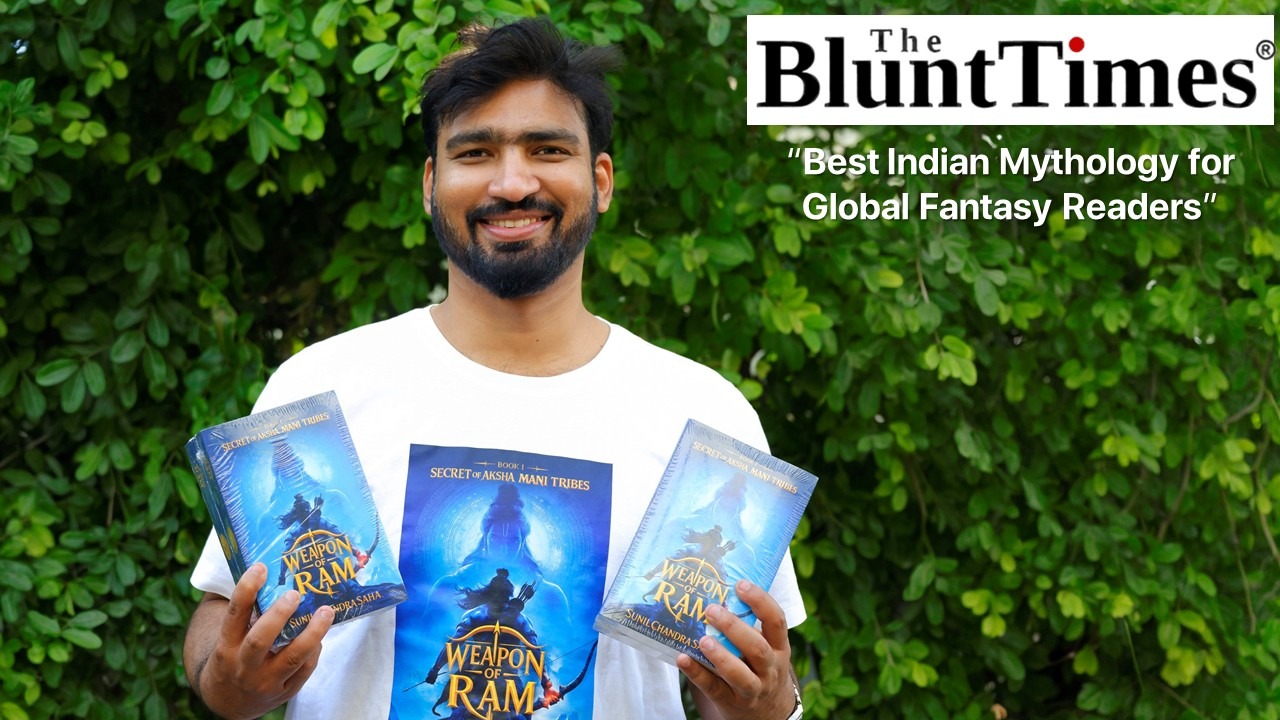
BLUNT TIMES features Weapon Of Ram Trilogy Book 1 – By Sunil Chandra Saha
The trilogy by Sunil Chandra Saha, that asked the questions nobody in Indian publishing : what happened to Ram’s weapons after the war ended?
The trilogy approaches the fantasy with an extremely logical form of thinking with 3 lead characters drive the plots forward and more so individually and gives a sense like Game Of Throne of Indian context. While the magic system at the core is extremely strong but used very less, as if something big is about to happen in Weapon Of Ram – trilogy.
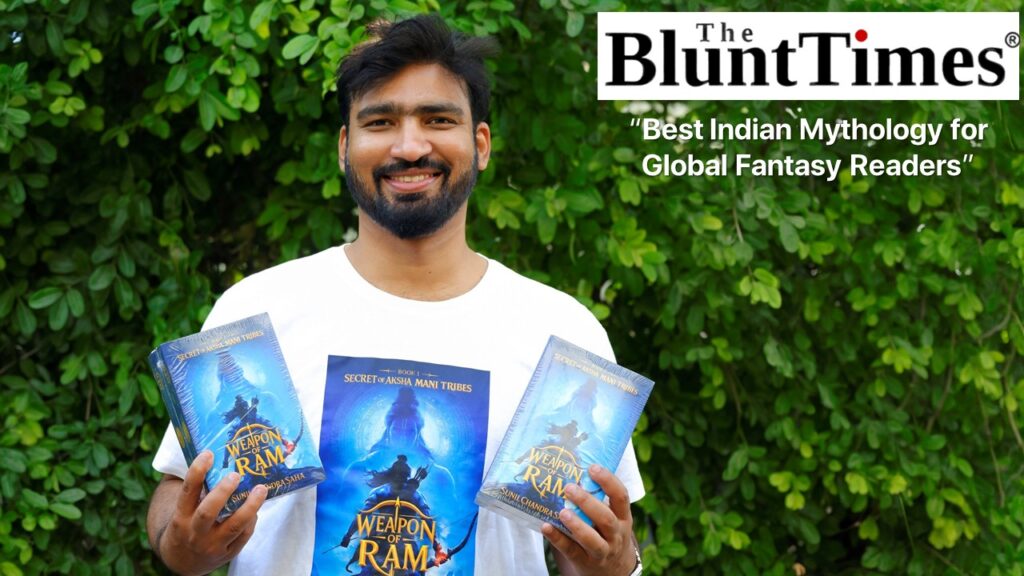
When The Blunt Times named Weapon of Ram the “Best Indian Mythology for Global Fantasy Readers,” it wasn’t just a quote for a book cover. It was a statement about where Indian storytelling is headed -and who is leading it there.
Author Sunil Chandra Saha has been quietly building something different. Not a retelling. Not another reimagining of the Ramayana or the Mahabharata. Something that picks up exactly where those stories left the reader hanging -in the silence after the age of avatars, surrounded by power that still exists but no longer has a guardian.
That’s Weapon of Ram. And The Blunt Times noticed.
Why This Feature MattersT
Indian mythology fiction has had its great moments. Amish Tripathi rewired an entire generation’s relationship with Shiva and Ram through the Shiva Trilogy and the Ram Chandra Series. He proved that mythology-based fiction had a massive, hungry readership in India -and beyond. But in the years that followed, Indian mythology fiction got comfortable. Retellings multiplied—the same characters, the same arcs, the same emotional beats dressed in new prose.
What the market has been quietly waiting for -what Namit Malhotra’s DNEG and global studios have been circling Indian IP for -is original mythology-rooted fiction that can travel. Stories built like franchises. Worlds with internal logic. Characters that don’t need a Wikipedia footnote to understand.
That’s the gap in Indian mythology fiction that Weapon of Ram steps into.
The Blunt Times puts it plainly: Indian mythology fiction has long been dominated by retellings, but what the industry needs now is IP-based storytelling that can be globally adapted on screens. This trilogy is precisely that -built from the ground up as a world, not just a book.
The Question at the Heart of It All
Where did Lord Ram’s two most powerful weapons go after the war? What about Raavan’s Chandrahasa -that terrifying sword gifted by Shiva himself? In thousands of years of mythology-inspired storytelling, these weapons appear, they serve their purpose, and then they vanish from the narrative. Nobody asks where they went.
Sunil Chandra Saha asked.
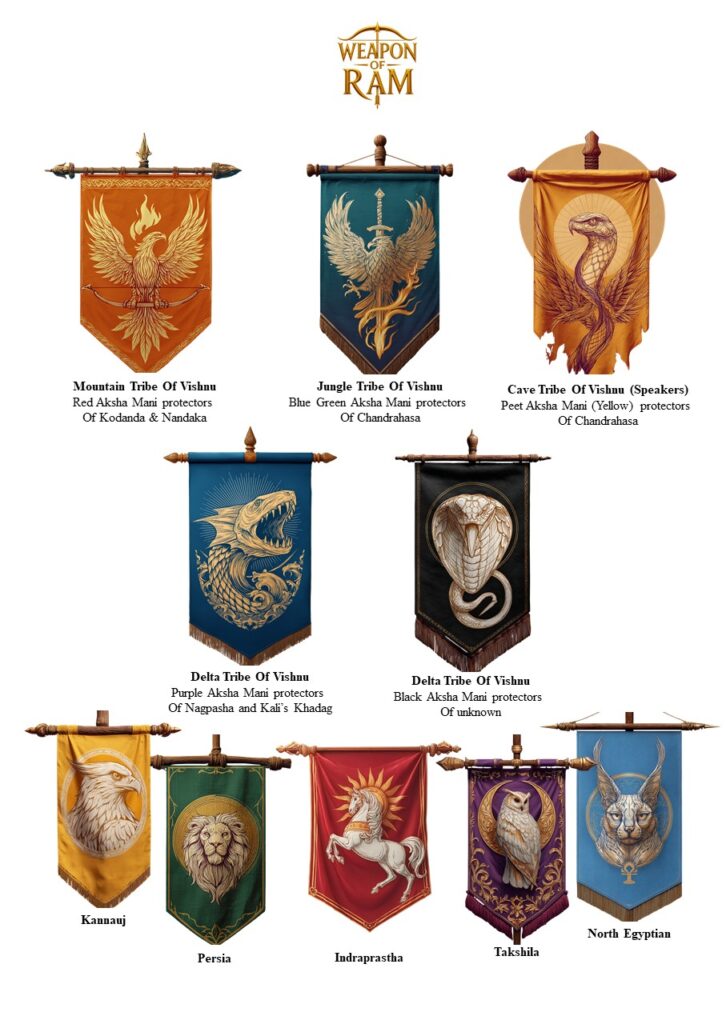
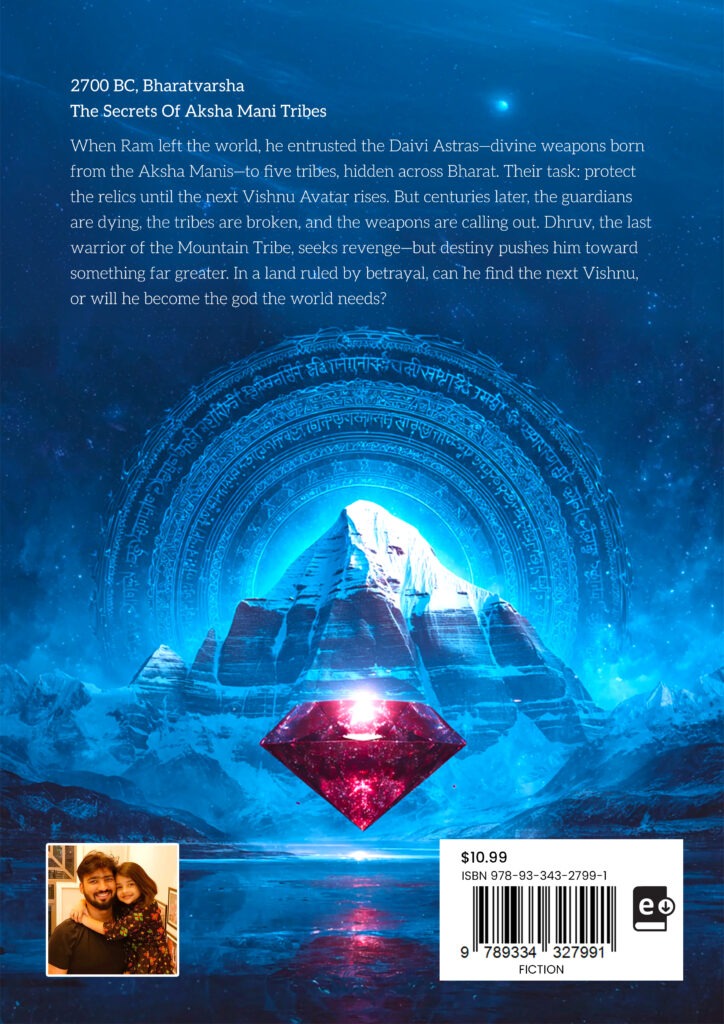
The answer he built is this: celestial weapons were never destroyed. They were bound to living conduits called Aksha Manis -living stones -and entrusted to five hidden tribes whose entire purpose was to preserve the discipline, knowledge, and bloodline purity required to control them. For generations, this system maintained balance. But time eroded everything.
Purity thinned. Discipline weakened. The tribes that were supposed to stay hidden -didn’t. And now those weapons, still charged with the power they carried in the age of Ram, are loose in a world that has no one left wise enough to wield them.
That’s not a retelling. That’s a reckoning.
No Gods. No Destiny. Just Humans With Impossible Power.
Here’s where Weapon of Ram truly separates itself from the pack -and where the Blunt Times feature really leans in.
Most Indian mythology fiction, even the best of it, carries a safety net. The gods are watching. A prophecy is being fulfilled. The universe will self-correct. The hero is destined.
Weapon of Ram strips all of that away.
The heavens are silent. There is no destined savior, no guaranteed balance, no cosmic correction. Instead, the story is driven by human decisions -decisions that carry god-level consequences. The people holding these weapons are flawed. They are grieving, ambitious, loyal to the wrong causes, afraid of the right things. They are, in other words, human. And the weapons in their hands don’t care.
This is the shift that makes the trilogy feel genuinely urgent. It’s not asking will good defeat evil. It’s asking something far more uncomfortable: when immense power exists without wisdom, who gets to decide how it’s used?
In an era where Ranveer Singh brings raw, volcanic energy to every mythological figure he inhabits, and Ranbir Kapoor has proven he can carry the emotional weight of a franchise like Animal or Brahmastra -this is exactly the kind of IP that warrants that conversation. The world of Weapon of Ram is cinematic in its bones. Multiple characters. Competing moral frameworks. A mythology-rooted universe that expands across geographies. It is franchise material in the truest sense.
Weapon Of Ram seems like a A very scientific literary System- Not Just a Story
What makes this world hold together is the architecture behind it. Power in the Weapon of Ram universe is not decorative -it is engineered. It operates through a tri-layered system involving Mani, Metal, and Mantra, dictating how energy is accessed, transferred, and controlled. As this system begins to fail, the narrative evolves from order to chaos, from preservation to survival.
This is the kind of internal logic that readers of Indian mythology fiction — and global fantasy — respond to. The same structural rigor that makes Brandon Sanderson’s magic systems beloved worldwide is applied to the sacred geometry of Indian celestial weaponry. It’s a combination that hasn’t been done before, not at this scale, not with this intent.
Three Books. Three Civilizations. One Expanding World of Weapons of gods.
The trilogy doesn’t stay in Ancient Bharat. That’s the ambition that makes it genuinely different. From Tibet to Egypt via Persia and Northern Afganisthan, the book charaters travel extensively and try and manouver regional politics and different objectives of each kingdoms.
Book One –Secrets of the Aksha Mani Tribes -lays the fractured foundation. The tribes are exposed. The weapons are in play. The old order is breaking.
Book Two –The Raavan of Persia, coming Diwali 2026 -crosses borders. New civilisations enter the frame. The moral complexity deepens.
Book Three –Rebel Gods of Pyramids, Diwali 2027 -connects India, Persia, and Egypt in a civilisational conflict that reframes what Indian mythology can mean on a world stage.
This outward expansion is a deliberate creative choice -positioning Indian mythology fiction not as a regional narrative, but as a global storytelling foundation.
That’s the same instinct that drove Namit Malhotra to build DNEG into a global VFX powerhouse while staying rooted in Indian creative identity. The world is ready for Indian epic fantasy that doesn’t shrink itself for the international market -it expands to meet it.
Where It Started
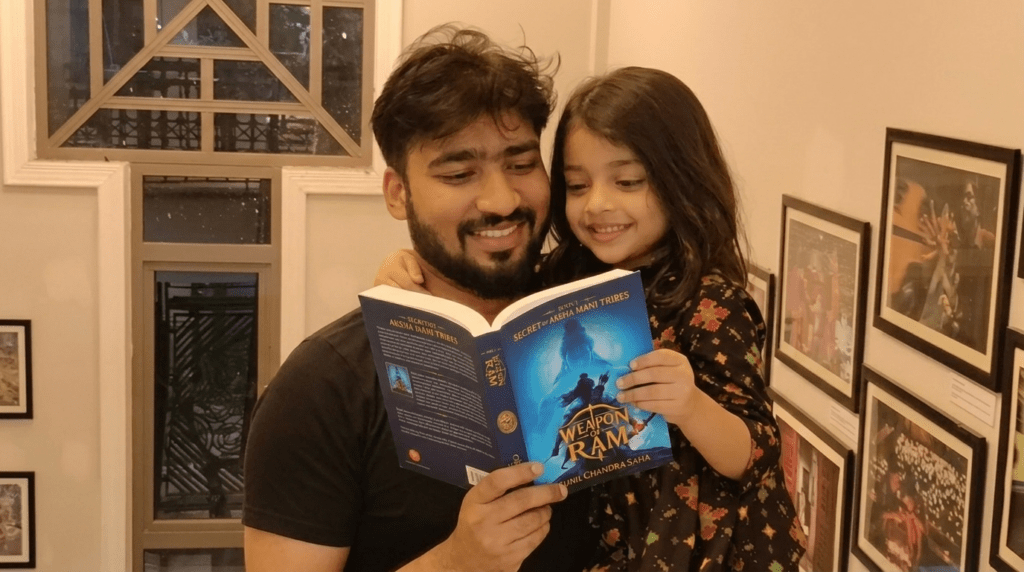
None of this began with a pitch deck or a market gap analysis. Sunil Chandra Saha traces the beginning of this storytelling journey to moments of fatherhood -narrating stories of gods and ancient worlds to his daughter during simple walks. That’s where the first questions were asked. Where did Ram’s weapons go? Who kept them safe? Why doesn’t anyone talk about this?
Those bedtime questions became a trilogy. That trilogy just got featured in The Blunt Times as the best Indian mythology fiction for global fantasy readers.
Some stories know where they’re going from the very first sentence.
The Blunt Times Said It Best
Perhaps the most telling line from the feature is this one, and it deserves to be read slowly:
“The age of avatars has ended, and humanity has inherited their power without their wisdom. In such a world, the question is no longer who will save it. The question is who will shape it.”
That’s not a book description. That’s the question of our time, dressed in the language of ancient India.
Weapon of Ram: Secrets of the Aksha Mani Tribes is available now. The Raavan of Persia -Diwali 2026. Rebel Gods of Pyramids -Diwali 2027.
As featured in The Blunt Times | April 2026 | Indian mythology fiction
Ready to Enter the World of Ram?