Ramayana Series
What happened after the Ramayana? Read Ram's reign, Sita's exile, Lava and Kusha, and Ram's departure, with scripture and retellings kept apart.
Read More →Immerse yourself in the most ambitious Indian mythology trilogy of our time — where ancient truth meets modern storytelling.
Five tribes. Three divine weapons. One ancient system Shri Ram built — now at the brink of collapse. Set in 3700 BCE Bharatvarsha, this is not a retelling. It is a reckoning.
Where did Shri Ram hide his divine weapons? Who guards them across two millennia until the next Avatar arrives?
Shri Ram won the war. But the story didn't end at Ayodhya's throne.
Before he left, Ram built something extraordinary — a system so powerful, so secret, that even Hanuman was forbidden from knowing it. Five Tribes. Three Divine Weapons. Five Living Stones called Aksha Mani.
For 7,000 years, this system protected Bharat. But now, the tribes are scattered. The weapons are lost. The Aksha Mani glow dangerously under Blood Moons — and the wrong hands are searching.
Three young warriors must find each other before Ram's legacy collapses. The clock is ticking. The Blood Moon rises. And the next Vishnu avatar is closer than anyone knows.
And who guards them across two thousand years — until the next Avatar arrives?
Kodanda. Nandaka. Chandrahasa. Still exist after Ram left. Bound to living stones. Waiting.
Living stones from Vasuki's essence. Each tribe holds one. No Mani = no weapon. Until the Desert Tribe falls.
2,000 years of secrecy — collapsed. Persia knows. The weapons are exposed. Three warriors must unite now.
Before leaving, Shri Ram entrusted each divine weapon to a secret tribe — bound to a living Aksha Mani stone. No outsider could ever access the weapon without the tribe's Mani. The system was hidden so deep that even Hanuman was kept in the dark.
For two millennia, this worked. Then the Desert Tribe was seduced by Persian gold. The Delta Tribe simply vanished. And the Blood Moon is rising.
Five tribes. Five Manis. Three weapons. An architecture designed to survive millennia without a guardian.
Dhruv, Tara, and Darukh are scattered. The Desert Tribe has fallen. The Delta Tribe is missing.
A new empire armed with the Desert Tribe's secrets. The weapons are no longer safe. — Diwali 2026
The Delta Tribe's truth was never in Bharat. It ends at the Egyptian Pyramids. — Diwali 2027
A world where Bharat's five tribes stand between sacred knowledge and imperial hunger.
From the Himalayas between Mansarovar and Kailash, through the forests of Mahavan, down through cave networks, across the desert to Persia — the journey is vast. The weapons are hidden. The tribes are scattered. The Shastradharis are almost extinct.
Guardians of Kodanda, Ram's divine bow. Dhruv's tribe — the last active Mountain Shastradhari.
Darukh's people. Ancient warriors who guard the Indra Neel Mani in the deep forest labyrinth.
Tara's woman-led tribe. Masters of sound, light and mantra. Hidden within stone networks below Bharat.
They betrayed their legacy. Their Mani is corrupted. Their weapons are in the wrong hands.
No one knows where they went. Their Mani is missing. Their weapons — unknown. The central mystery of the trilogy.
Persia expands. Egypt rises. Empires hunger for the lost knowledge of Bharat — and they are getting close.
After Lanka, Shri Ram faced a question no king had ever faced before. How does one protect divine weapons from the corruption of power — not for a lifetime, but for millennia?
He could not leave them with kings. Bloodlines corrupt. Dynasties fall. Only skill, loyalty, and duty — bound by cosmic force — could be trusted across generations.
Righteousness cannot be assured across generations. What was once a weapon of dharma could become a tool of destruction if handed to a leader blinded by ambition.— Shri Ram, to Lakshman · After the Ashwamedha Yajna
Crucially — Hanuman was not told.
"Hanuman should never know this!"
— Ram's explicit instruction to Lakshman.
Selected for skill and loyalty — not royalty. Not birth. Five tribes, each bound to one Aksha Mani of Vasuki.
No mortal can wield the divine weapon without its corresponding Aksha Mani. The living stone is the key.
Appointed to communicate between tribes via a secret language. Angrish was the last — the Antim Shastradhari.
The weapons would be released only when the next avatar of Vishnu appeared — to be identified by the Shastradharis.
The Antim Shastradhari is dead. Two tribes are compromised. Three young warriors carry the last Manis — without knowing what they hold.
Born from Vasuki's essence after the Samudra Manthan — five living stones that glow under a full moon and amplify exponentially on Blood Moon nights. Each Mani controls access to one divine weapon.
The Aksha Manis are not merely stones. They are living fragments of cosmic consciousness — bound to Vasuki, who winds around Shiva's neck. To carry one is to carry a piece of divine responsibility no mortal fully understands. And someone, somewhere, is hunting all five.
Three weapons of cosmic power, hidden across Bharatvarsha. Three tribes to guard them. Three heroes to find them. One avatar to wield them — when the time comes.
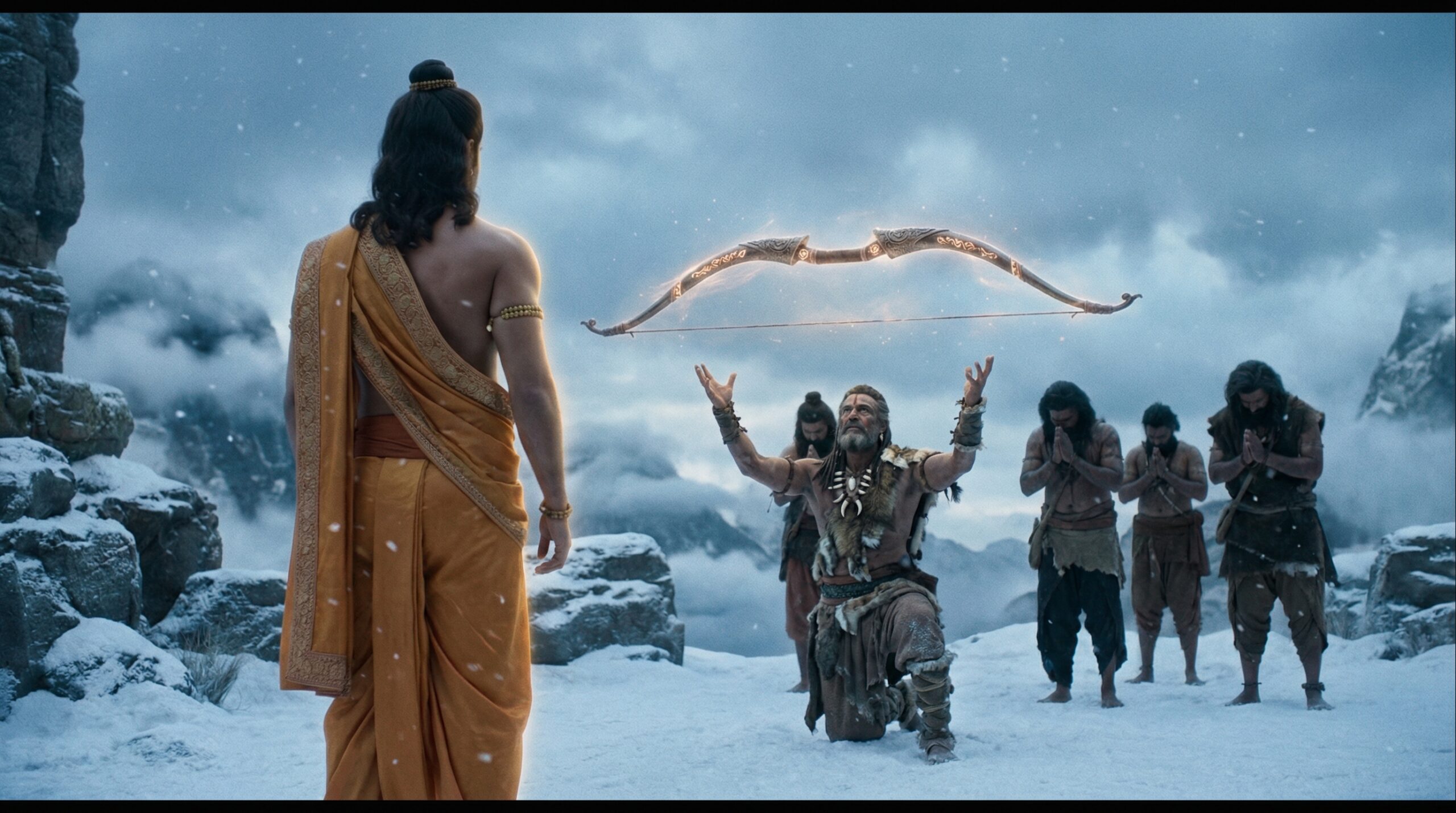
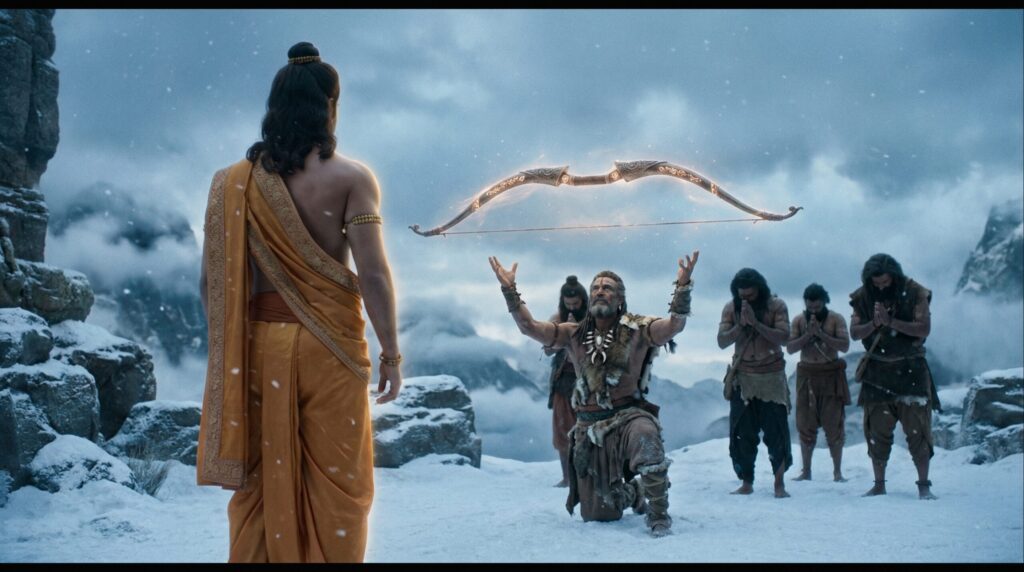
Gifted by Vishwamitra to Shri Ram. Inscribed with Om Kodanda. The Mountain Tribe guards its resting place in the high glaciers between Mansarovar and Kailash. Only a warrior carrying the Panna Mani can approach.
Also gifted by Vishwamitra. The Jungle Tribe guards it in the labyrinthine forest network of Mahavan. Darukh's lineage has protected Nandaka for twelve generations. Indra Neel Mani is its only key.
The smiling blade of the moon — taken from fallen Ravana after Lanka. Guarded by the Cave Tribe in their network of sound-carved stone chambers. The Amethyst Mani alone can unlock its chamber.
The Delta Tribe is lost. Their Mani is missing. Their weapon — if it exists — is unknown even to the Shastradharis. The central mystery of the entire trilogy begins here.
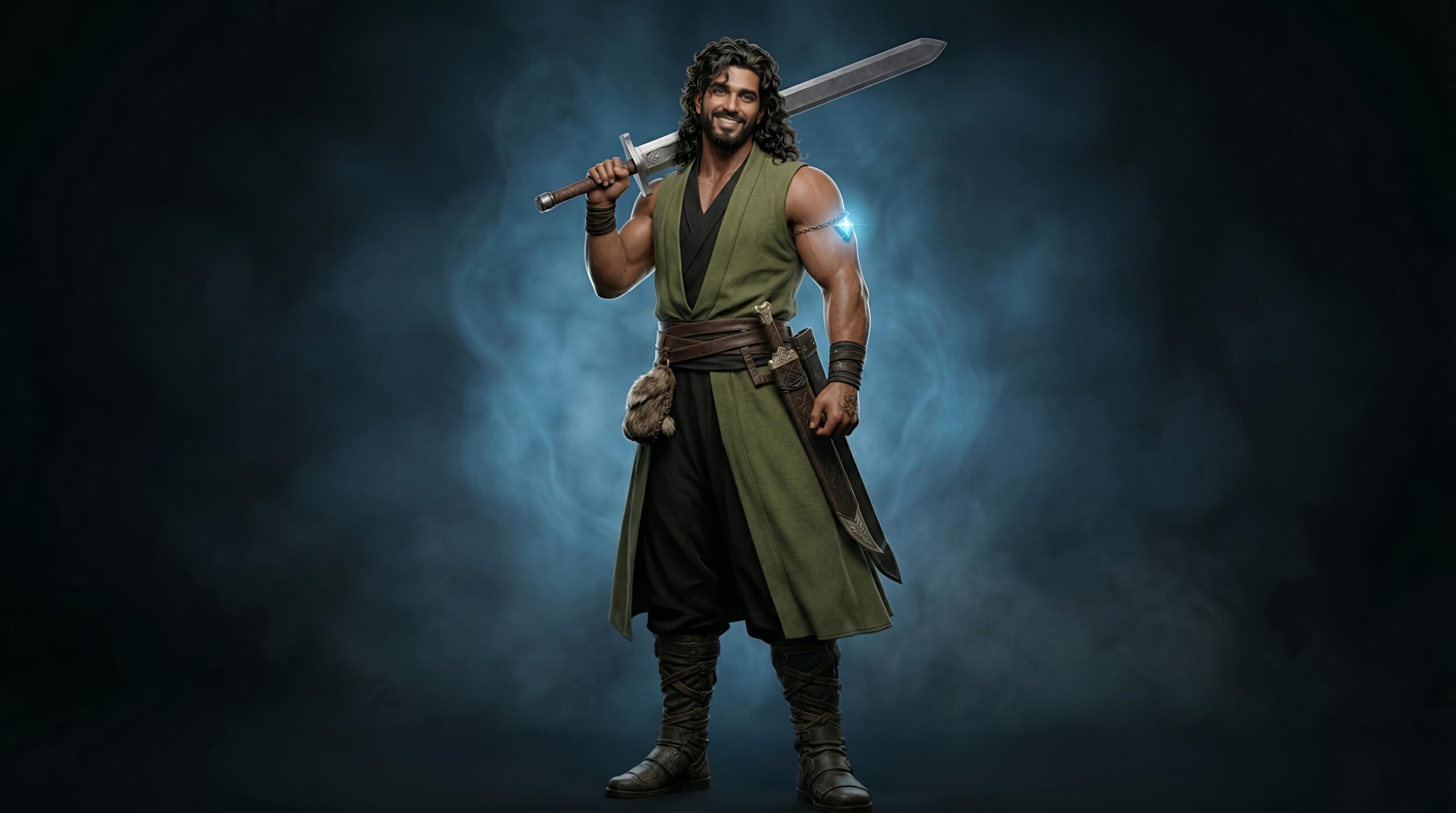
Son of the Jungle Tribe's last elder. He communicates with animals, moves unseen in forests, and understands that nature itself is a weapon when you know how to listen.
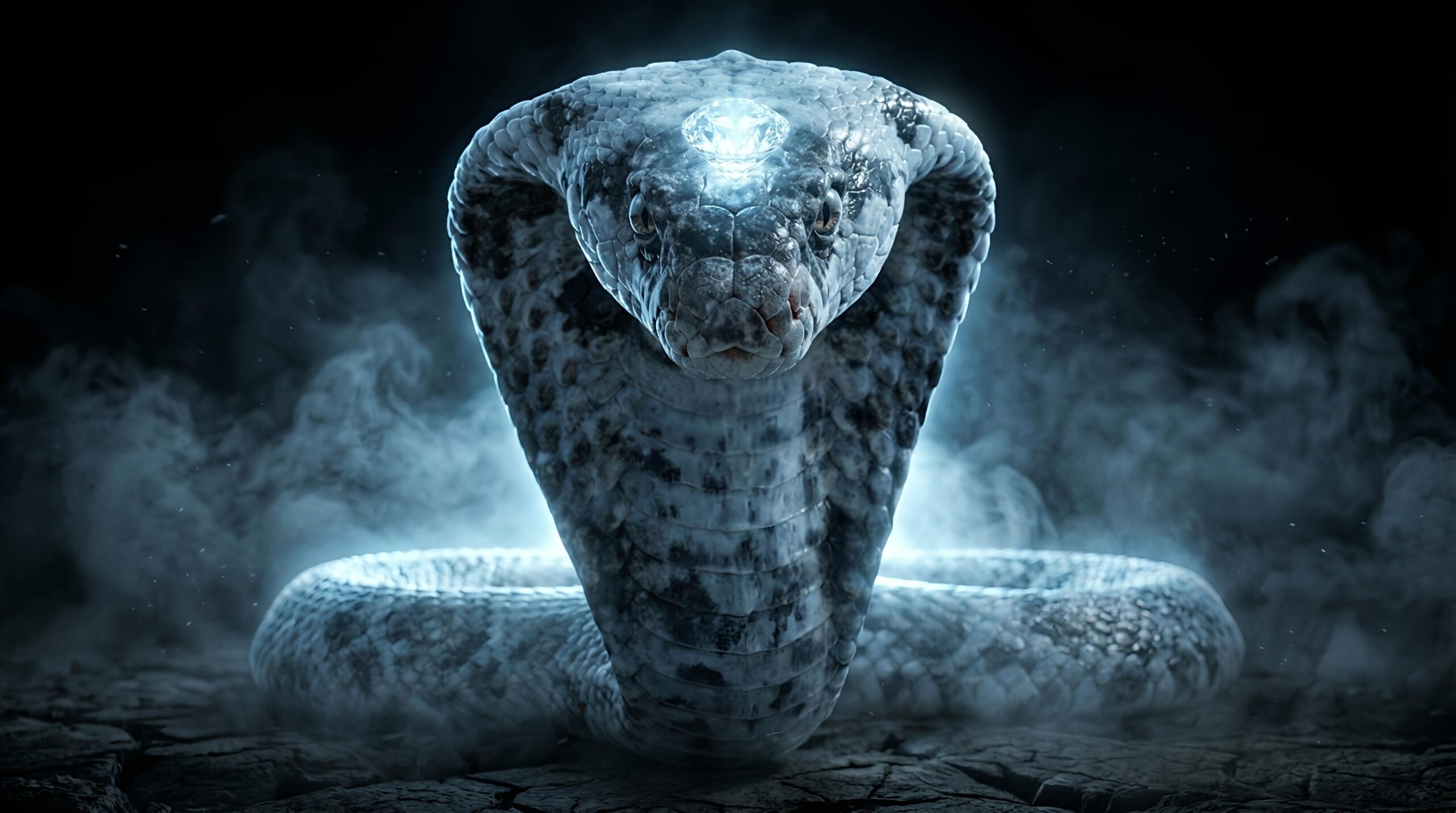
The eternal serpent whose essence birthed the five Aksha Manis at Samudra Manthan. The stones carry his power — and his secrets.
The Cave Tribe's chosen warrior. Her voice is a weapon. She reads vibrations others can't hear and knows the stone highways of Bharat better than any map.
The last Mountain warrior. Raised in glacier silence with bow and stone. Carries the Panna Mani without knowing its full significance.
Three books. Three Diwalies. An epic that begins in the glaciers of Kailash and ends at the Egyptian Pyramids — the most ambitious Indian mythology trilogy of our time.
Five Tribes. Three Weapons. One ancient system Shri Ram built — now at the brink of collapse. Three young warriors must find each other before the secret is lost forever.
The story leaves Bharat's borders for the first time. Ancient Persia has awakened — and what they found in the fallen Desert Tribe's vaults will change everything.
The trilogy concludes at the Egyptian Pyramids — where the oldest civilizations on earth converge, and the final truth of Ram's system is revealed.
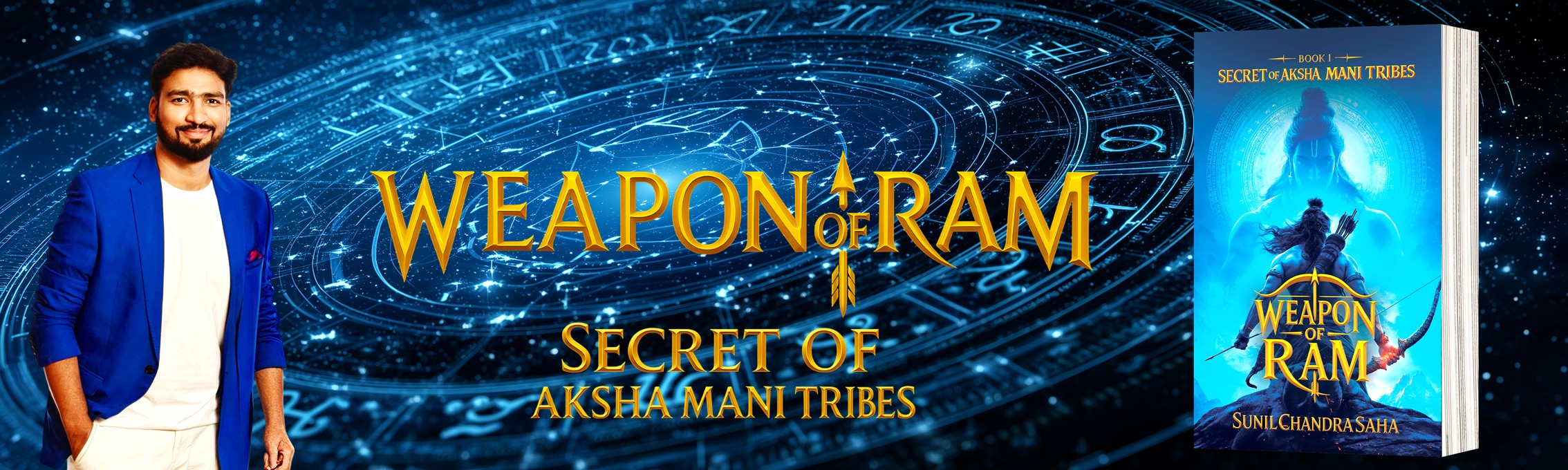
Sunil Chandra Saha didn't invent the world of Weapon of Ram. He recovered it — from ancient texts, oral traditions, scriptural footnotes that mainstream mythology forgot to preserve.
Born and raised in Bengal, Sunil spent years studying the Ramayana not as religion, but as a civilizational document. He asked one question obsessively: what happened after the epics ended?
With 25 million Instagram Reel views across @mythologybysunil, Sunil has proven that modern readers hunger for ancient stories told with conviction — not dumbed down, but preserved in their original power and given a new stage.
It's set in 3700 BCE, centuries after the Ramayana. Shri Ram built a secret system — five tribes, three divine weapons, five living stones called Aksha Mani — to protect Bharat until Vishnu's next avatar arrived. Now the system is fracturing. Three young warriors must find each other before it collapses entirely.
Five living stones born from Vasuki's essence after the Samudra Manthan. Each Mani is bonded to one of Bharat's five tribes and controls access to a divine weapon — no mortal can wield the weapon without its corresponding stone. They glow under a full moon and amplify to catastrophic power on Blood Moon nights.
Dhruv — Mountain Tribe, the last Shastradhari, guardian of Kodanda (Ram's divine bow). Tara — Cave Tribe, woman-led, master of mantra and sound-weaponry, holder of Chandrahasa. Darukh — Jungle Tribe, speaks to animals, guardian of Nandaka. Three strangers who must become one force.
Ram's explicit instruction to Lakshman: "Hanuman should never know this!" Hanuman's devotion was so total he might have acted unilaterally to protect the weapons — breaking the secrecy the entire system depended on. The greatest warrior in history was deliberately kept in the dark by the one person he'd never question.
No. This is set centuries after the Ramayana ends. It asks what happened after — where did Ram hide his weapons, who guards them, and what happens when that protection breaks? Entirely original world-building rooted in authentic Vedic scripture, not a remix.
Book II — Raavan of Persia · Diwali 2026. Book III — Rebel Gods of Pyramids · Diwali 2027. The trilogy concludes at the Egyptian Pyramids, where the oldest civilisations converge and the final truth of Ram's system is revealed.
Print edition on Amazon India and Flipkart. Kindle available in 12 countries — India, USA, UK, Australia, Canada, Germany, France, Italy, Spain, Japan, Brazil, Mexico. All links are in the Buy section above.
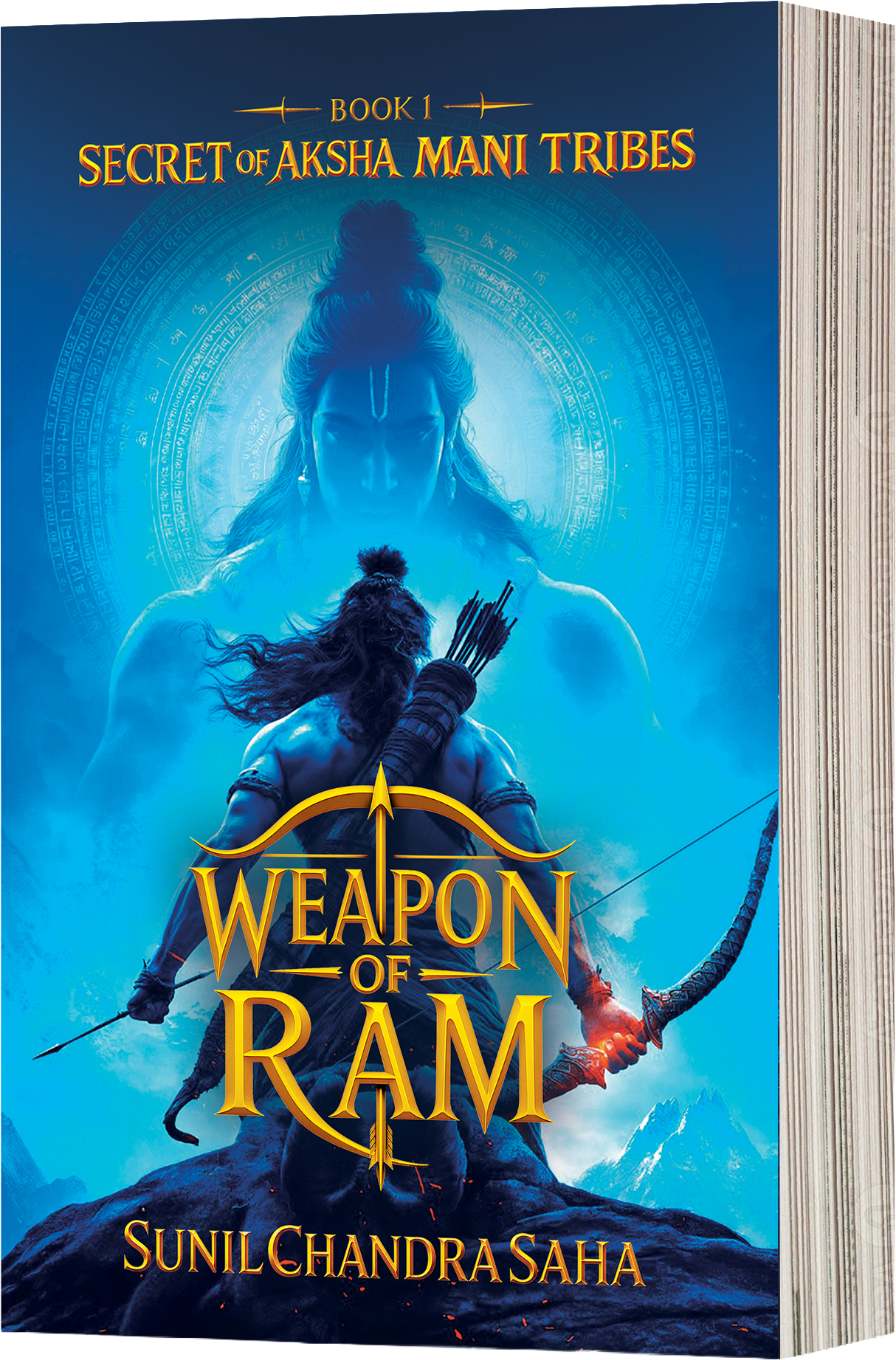
Where did lord Ram hide his 2 powerful weapons? This is the central question driving the Weapon of Ram Trilogy — a bold new entry in Indian mythology-inspired fantasy rapidly positioning itself as a global contender in epic storytelling.
Read Full ArticleAs the Weapon of Ram trilogy grows, more media features, interviews, and reviews will appear here.
Ramayana Series
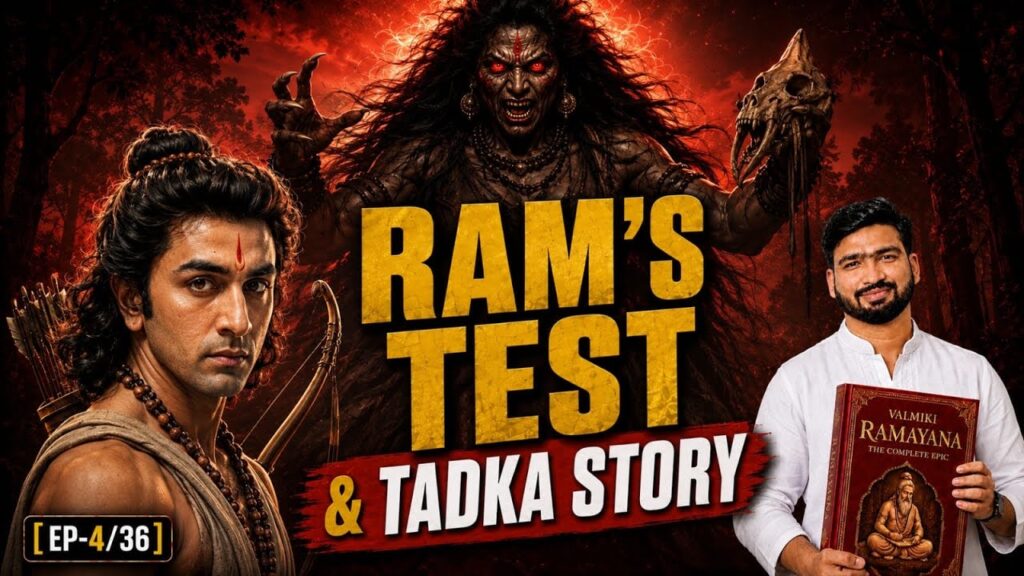
What happened after the Ramayana? Read Ram's reign, Sita's exile, Lava and Kusha, and Ram's departure, with scripture and retellings kept apart.
Read More →
Weapon Chronicles
Weapons Vishwamitra gave to Ram in the Valmiki Ramayana: the full astra list, how Ram used them on Maricha and Subahu, and…
Read More →
Weapon Of Ram - Trilogy
Raavan of Persia is Weapon of Ram Book 2. Release date (Diwali 2026), what we know about the story, the Ravana Persia…
Read More →