2026
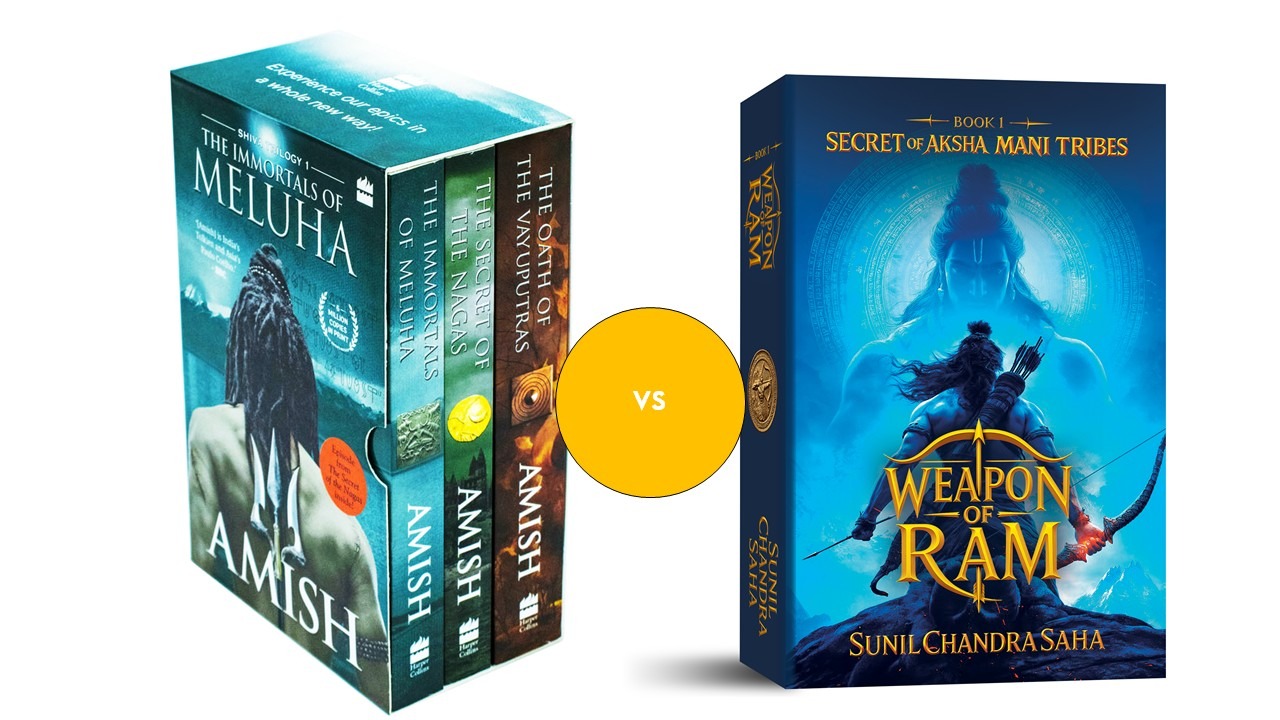
Why Weapon of Ram Could Be the Next Evolution of Indian Mythological Fantasy After The Immortals of Meluha
June 3, 2026
·
By Sunil Chandra Saha
·
6 min read
What The Immortals of Meluha Changed in Indian Mythological Fiction
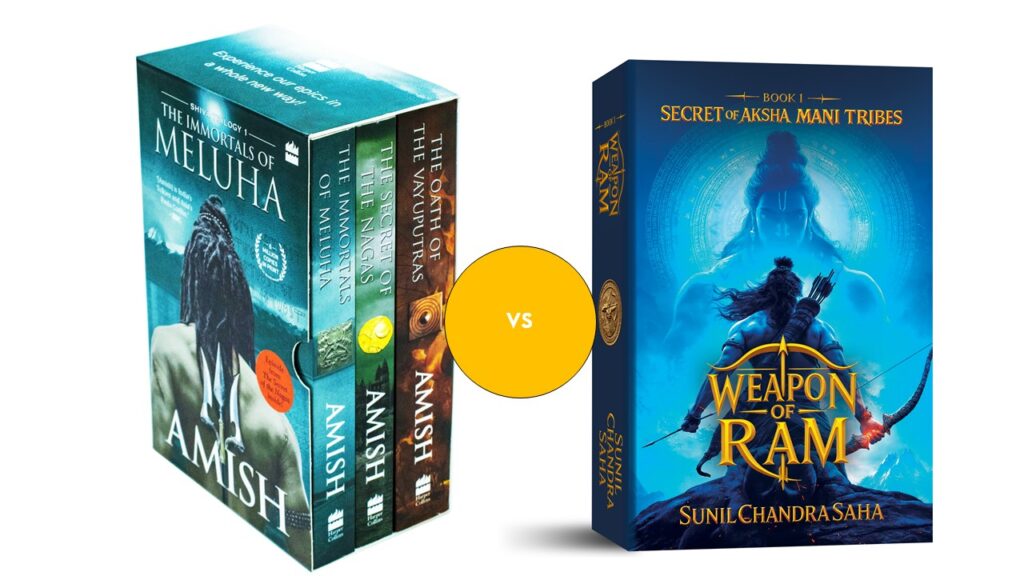
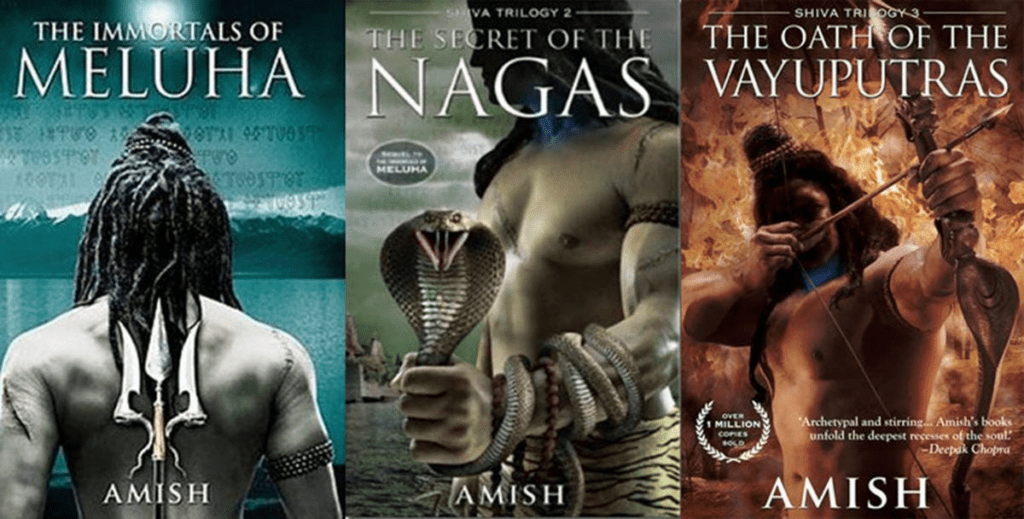
When Amish Tripathi published The Immortals of Meluha in 2010, it did something no Indian fantasy book had quite managed before: it made mythology feel human. By reimagining Shiva not as a distant god but as a tribal warrior who earns his legend through choice and consequence, Amish cracked open a door that an entire generation of readers rushed through.
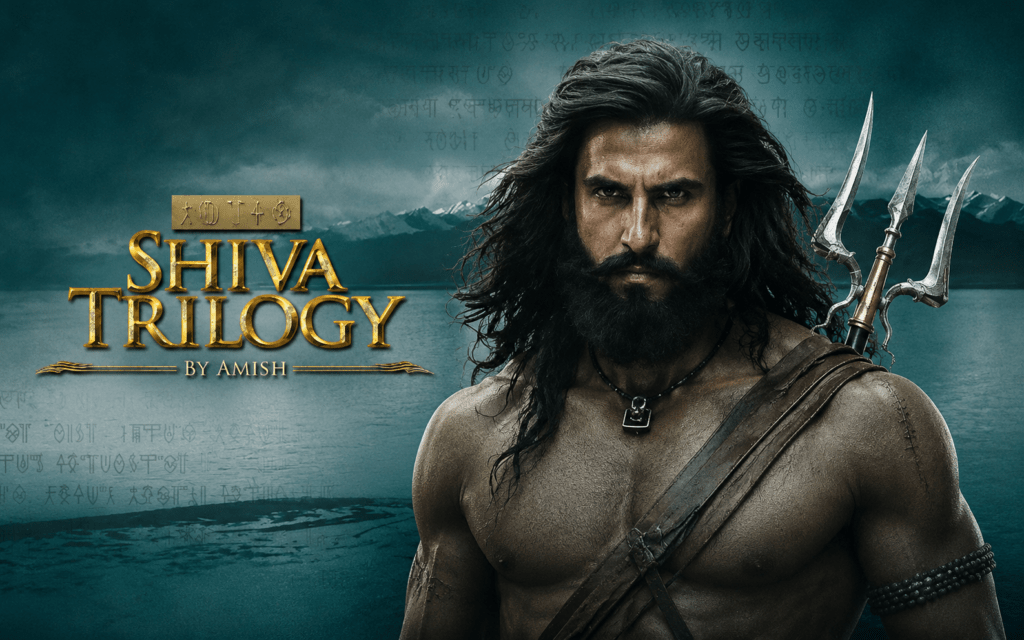
The Shiva Trilogy proved that Indian mythology fantasy could be commercially ambitious, narratively bold, and emotionally gripping. It showed that readers hungry for epic Indian fantasy did not want watered-down devotion; they wanted characters who bled, doubted, and fought for something real. Before Meluha, Indian mythological fiction largely meant sacred retellings. After it, the genre meant world-building.
The Rise of Mythological Reinterpretation
The decade following Meluha saw a flowering of fantasy books based on Indian mythology from Devdutt Pattanaik’s accessible retellings to Kavya’s reinterpretations of the Mahabharata. Readers were no longer satisfied with receiving mythology; they wanted to inhabit it.
This shift reflects something deeper about modern Indian readers. A generation raised on Game of Thrones, The Lord of the Rings, and Harry Potter came to Indian mythology with a new demand: give us the moral complexity, the political intrigue, the dark consequences. Give us an Indian Game of Thrones. Give us the Indian Harry Potter of our own epics. The Shiva Trilogy answered part of that call. But it was, at its core, an origin story, the making of a god.
What came next needed to be something else entirely.
This is where Weapon of Ram marks a genuine evolution in the mythological fantasy India has produced.
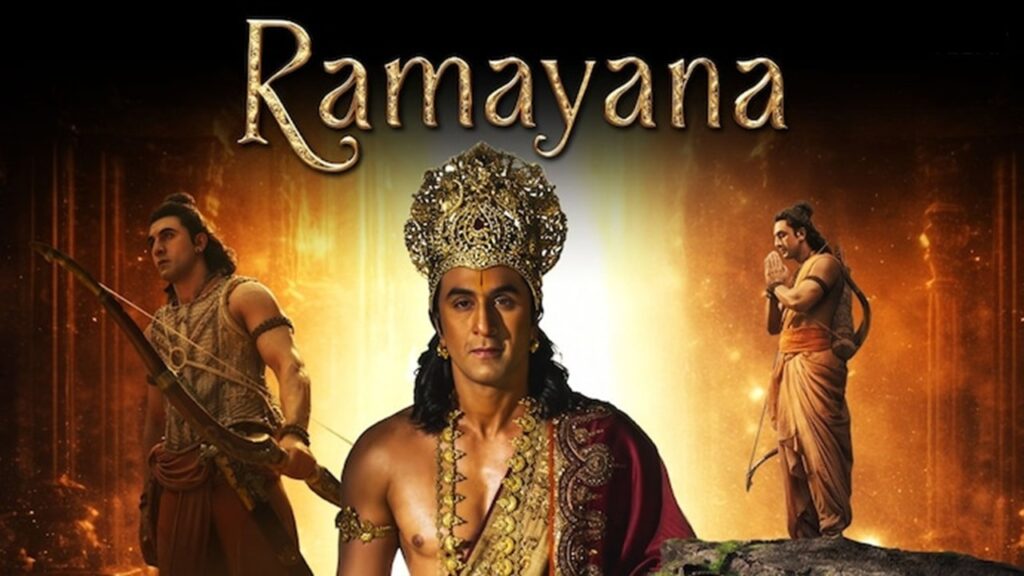
The Shiva Trilogy worked backwards, taking a known god and building a human story around the myth. The weapon of Ram works forwards. Set 700 years after Ram’s age, it does not retell the Ramayana. It inherits the consequences of it. Five sacred tribes, each entrusted by Vishnu to guard a divine weapon, are now fracturing. The gods’ design has not held. The post-Ramayana story is not one of divine triumph it is one of divine inheritance slowly going to ruin.
This is a fundamentally different creative act. Where Meluha asked how did Shiva become Shiva, Weapon of Ram asks what happens when the age of gods ends and ordinary people must carry what was left behind? Who protects these weapons? Was it left to fate or a complete system was designed by Lord Ram?
Saha’s Weapon of Ram book 1 reveals – New Kingdoms, New Politics, New Conflicts
Weapon of Ram expands the canvas of political fantasy India has rarely seen in mythological fiction. The conflict is not contained within one civilisation it spans Ancient Bharat, Tibet, China, Persia, and Egypt, with each empire pursuing its own agenda through espionage, mercenary assassins, ancient weapons technology, and manufactured political religion.
The Persian King Zaeris does not march on Bharat out of simple conquest lust. He is a ruler whose origin is a childhood wound. He builds immortality by research and investment, planned through ancient Egyptian ritual and weapons that he claims can defeat even the gods. Meanwhile, Bharat is fractured from within: its own sacred tribes have been bribed, enslaved, or wiped out by Persian gold long before any army arrives.
This is the texture of epic Indian fantasy at a new level of ambition not heroes vs. villains, but civilisations in collision, with ideology, faith, and technology all in play.
Why Readers Now Seek Darker Worlds
The appetite for Indian dark fantasy has never been stronger, and for good reason. Post-pandemic readers globally have moved toward stories that do not flinch from complexity. The massive success of House of the Dragon, the enduring love for morally ambiguous fantasy epics, and the rise of Indian OTT content with dark, layered narratives all point in the same direction.
Indian readers specifically are ready for mythology-inspired fantasy that does not protect its characters or its gods. They want sacred weapons that can be neutralised by alchemy. They want tribes that can be bought. They want a hero who carries his father’s dying words as both armour and open wound. Weapon of Ram gives them exactly this a world where Vishnu’s design can fail, where the divine is not guaranteed, and where the last survivors of broken tribes must become something the gods never planned for.
The Future of Indian Fantasy
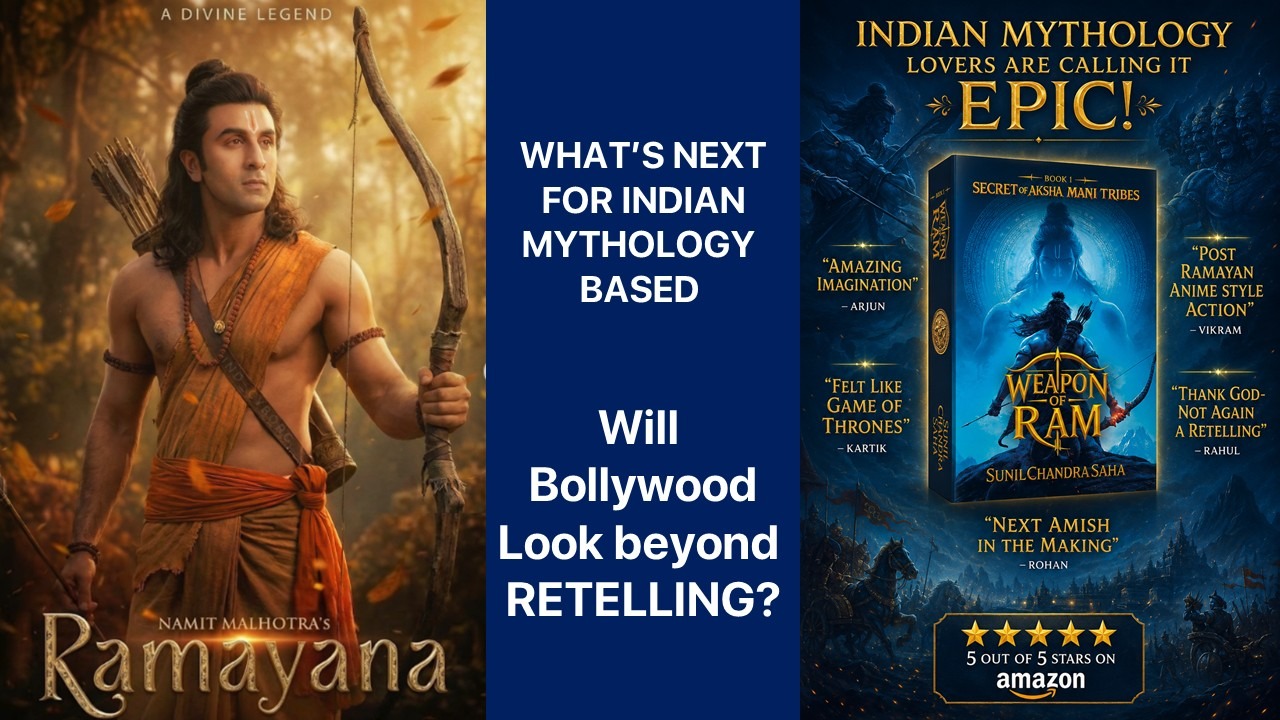
The best fantasy books by Indian authors are no longer asking permission to be as ambitious as any Western epic. Weapon of Ram positions itself as the beginning of a universe not a single novel but a foundation, the way the first Tolkien, the first Martin, the first Rowling were foundations.
The Weapon of Ram novel series builds toward something the Indian fantasy genre has long been capable of but rarely attempted: a fully realised world with its own internal logic, its own political history, its own arms race between divine weapons and human ingenuity. For readers who loved Meluha but want a bigger, darker, more politically textured world readers searching for the best Indian fantasy books of this generation Weapon of Ram is the next chapter.
The age of gods is over. The age of what comes after has just begun.
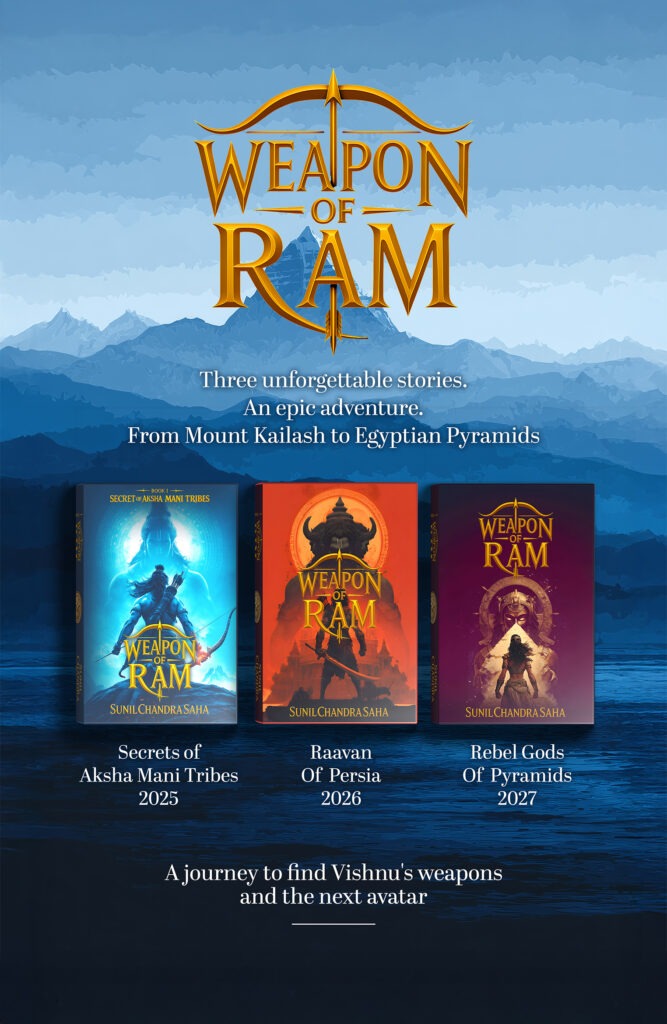
Read Kindle on Amazon- WOR Book 1 of Trilogy
Watch Ramayana Series on YOUTUBE : https://www.youtube.com/@Mythologybysunil
Watch Mythology Series on INSTAGRAM : @mythologybysunil
Ready to Enter the World of Ram?