2026
Valmiki’s Magic System of Ramayana — Decoded
August 8, 2026
·
By Sunil Chandra Saha
·
5 min read
Ramayana is Sanatan history. The greatest story ever told according to me, but I don’t think we give Valmiki enough credit as a world-builder.
Read it again as a writer, not just a believer, and you’ll notice something strange — it runs on rules, the same way Sanderson’s Mistborn runs on laws, or Tolkien’s rings carry specific weights and costs. Nobody ever handed us a rulebook for the Ramayana’s magic system. So I decided to write one myself.
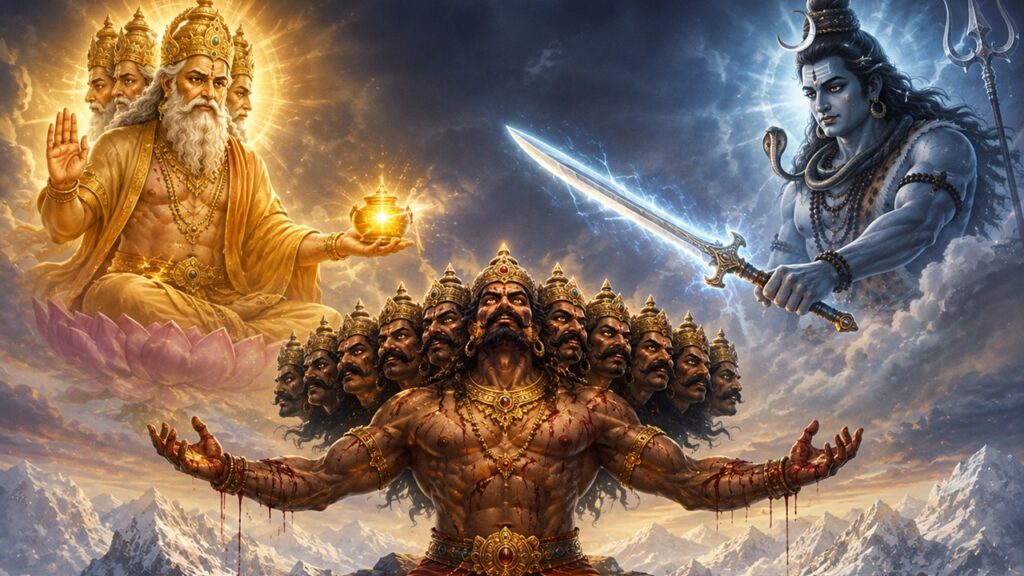
Brahma hands out boons the way a king hands out land grants — generously, but never for free. Somebody paid first, usually in penance or sacrifice or years of standing still under the sun. Bali gets a genuinely unfair advantage: half of whatever strength his opponent brings into a fight becomes his. Kumbhakarna’s endless sleep looks like a blessing until you realize what it costs him in the war that matters most. Lakshmana gives up sleep entirely for fourteen years, a debt struck with Nidra Devi herself. Even the ocean, which answers to no one, eventually agrees to hold still.
Curses work the same ledger, just in the opposite column. Dasharatha loses a son because of an arrow he fired at a sound in the dark. Ahalya loses years of her life to a curse her own husband placed on her. This isn’t a universe that hands out gifts casually — it’s one that’s constantly settling accounts.
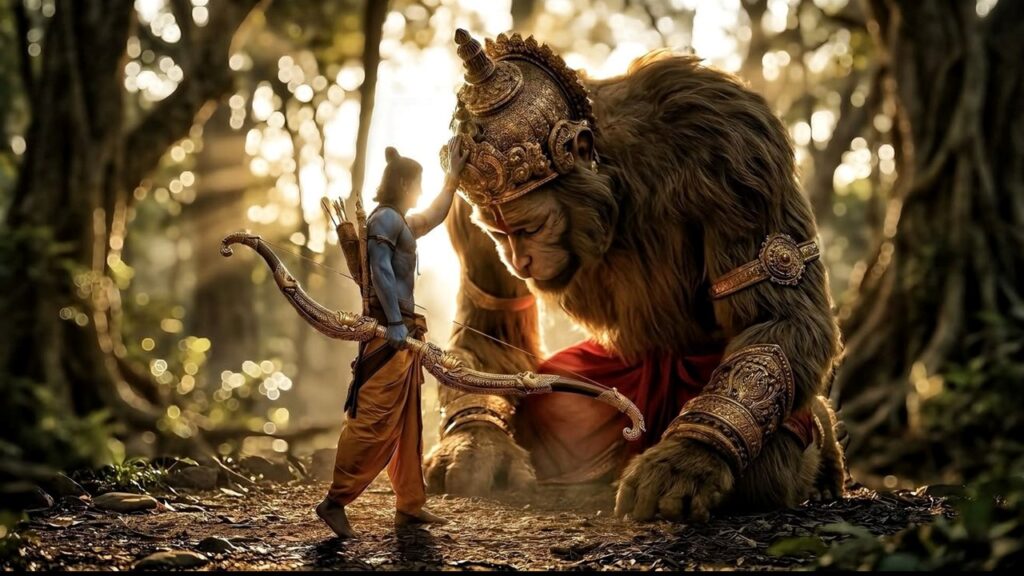
Shiva’s Chandrahasa. The Nandaka. Kodanda — a bow so heavy that nobody before Rama could even lift it off the ground. Vishwamitra doesn’t just arm a teenager, he hands him access to something closer to divine technology than a sword.
And the proof is right there in the story. A boy barely into his youth walks through fourteen thousand soldiers and comes out the other side, then years later stands against Ravana and wins. That’s not swordsmanship. That’s what happens when knowledge and weapon meet in the same hand.
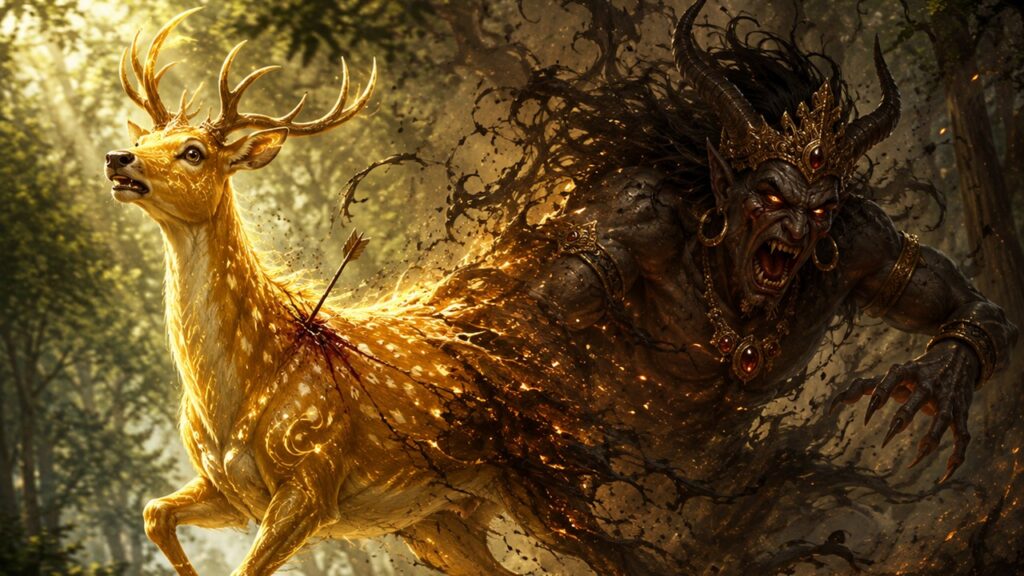
Maricha becomes a golden deer, voice and all, and lures a hero away from where he’s needed most. Indrajit fights half-invisible. Ahiravana’s life is split across five hidden lamps, so killing him once isn’t nearly enough. Simhika reaches straight for a person’s shadow.
None of these enemies are stronger in the ordinary sense. They’re dangerous because they change what you’re allowed to trust with your own eyes.
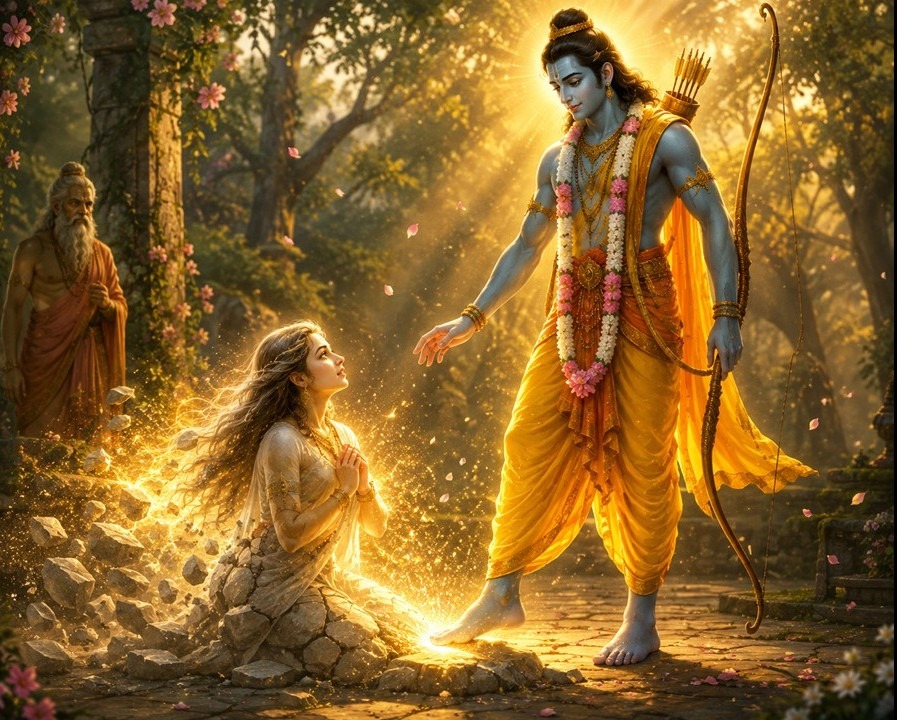
This is the part I find most beautiful, honestly. Ahalya. Kabandha. Shabari. Each of them trapped for years, and Rama’s presence simply ends it — no battle, no weapon, just release. In most fantasy the biggest power in the room is whatever kills the biggest enemy. Here, the rarest power just sets someone free.

Sanjeevani reverses death. Pushpaka Vimana flies. Stones float on command to build a bridge across the sea. Gandharvas, Apsaras, Rakshasas — entirely different species sharing one world, one timeline, one war. We just never called it science fantasy because it arrived a few thousand years too early for the label.
Rishyashringa’s ritual brings Rama into the world. Atri Muni hands over the Brahmastra with instructions attached, not just the weapon itself. Sita wears garments that never gather dust. Say the right words, in the right sequence, with the right understanding behind them, and the impossible simply executes.
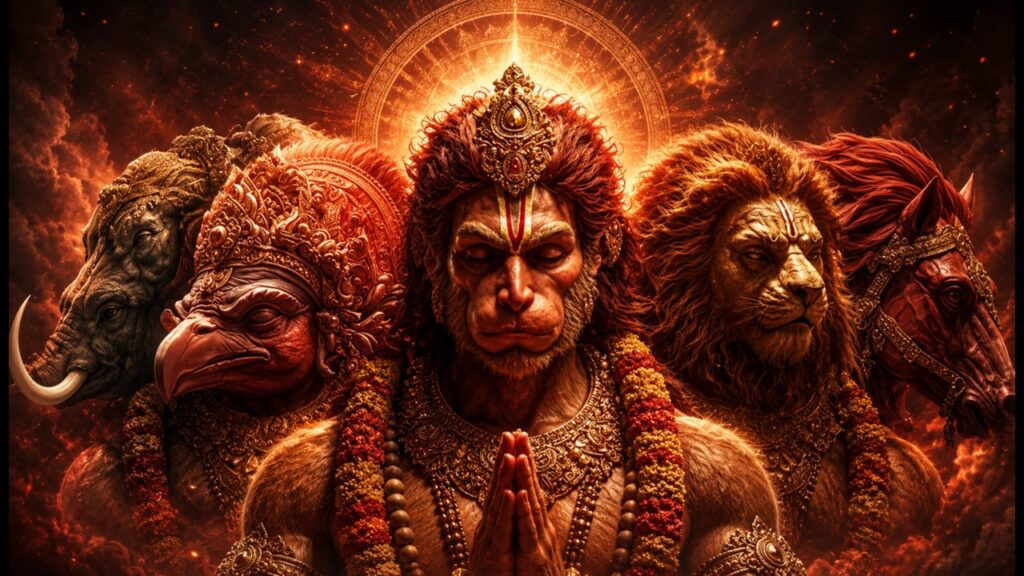
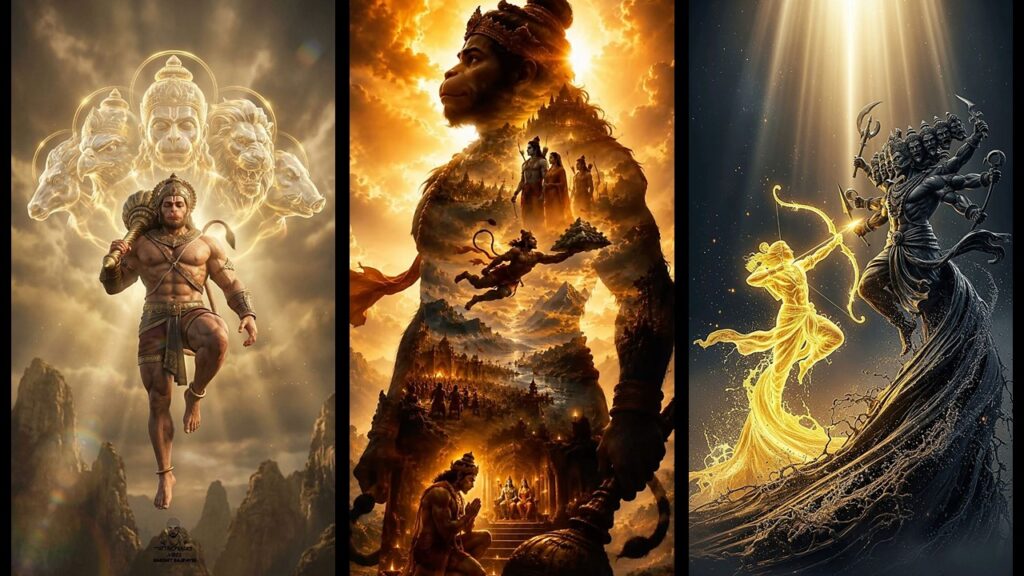
Hanuman can grow past the size of a mountain and shrink smaller than a fingertip. He can cross oceans without tiring. And yet his best scene in the whole epic isn’t any of that — it’s the moment someone has to remind him what he’s capable of before he believes it himself.
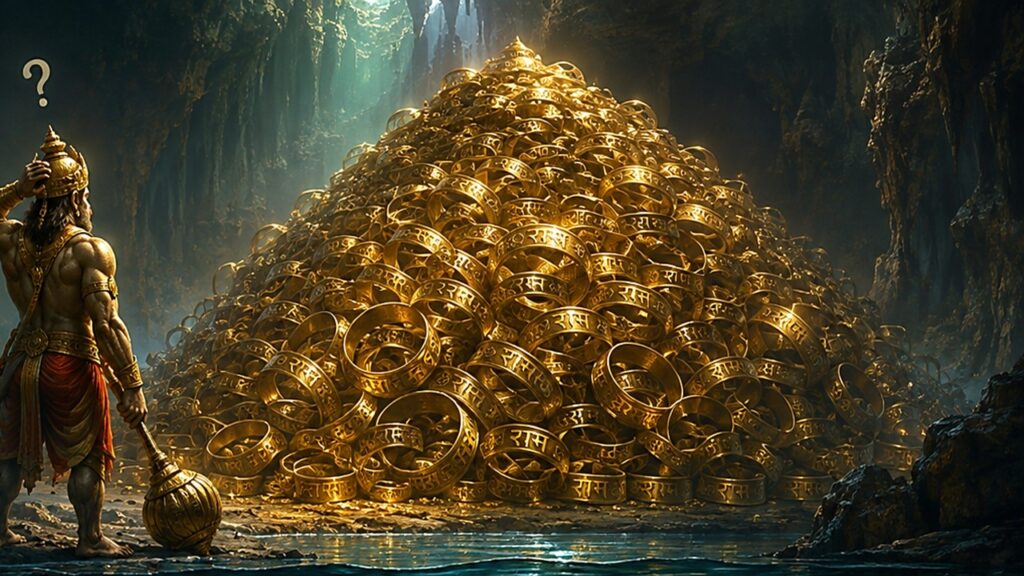
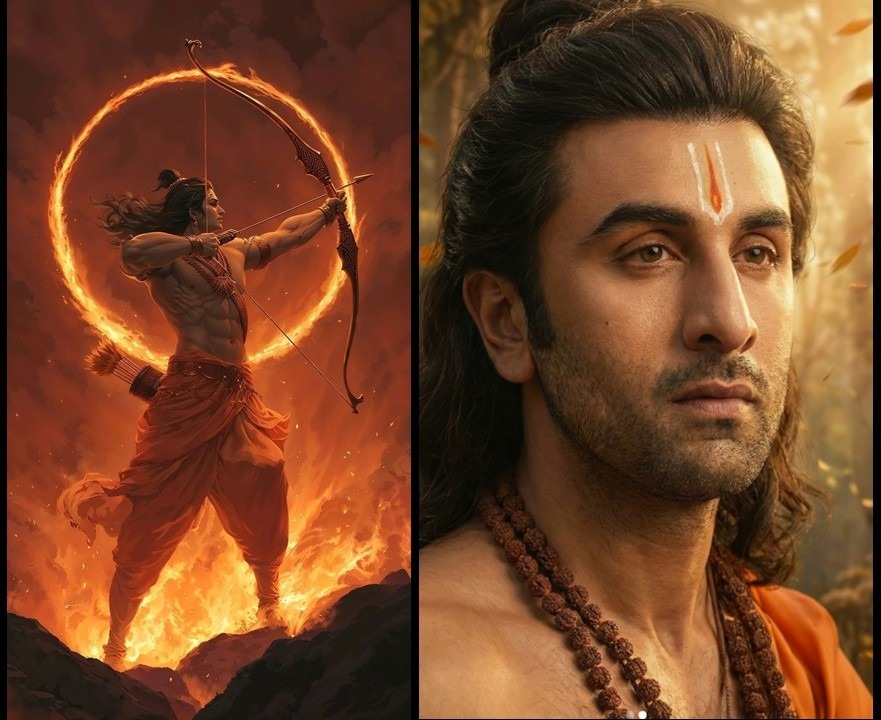
When Hanuman descends into Paatal Lok, he finds rings — countless of them, each carrying a different Rama, from a different cycle of the same story, playing out across timelines that never quite touch.
None of this is really the point, is it.
Rama still follows a golden deer he shouldn’t trust. Sita still crosses a line drawn to protect her. Lakshmana gives up comfort he’ll never get back. Ravana has every advantage — power, knowledge, weapons, boons, a kingdom that answers to him — and still loses everything to his own choices.
The magic makes the world extraordinary. The choices are what make it unforgettable.
Every good book has a magic system. Weapon of Ram, my post-Ramayana fantasy trilogy, explores one of my own. But the original was sitting there all along, waiting for someone to sit down and actually decode it.
Web: weaponofram.com
Book 1 of the trilogy — link to buy (AMAZON)
KINDLE Version
36 episodes of the Ramayana series now on YouTube — Ep 1
Ready to Enter the World of Ram?